



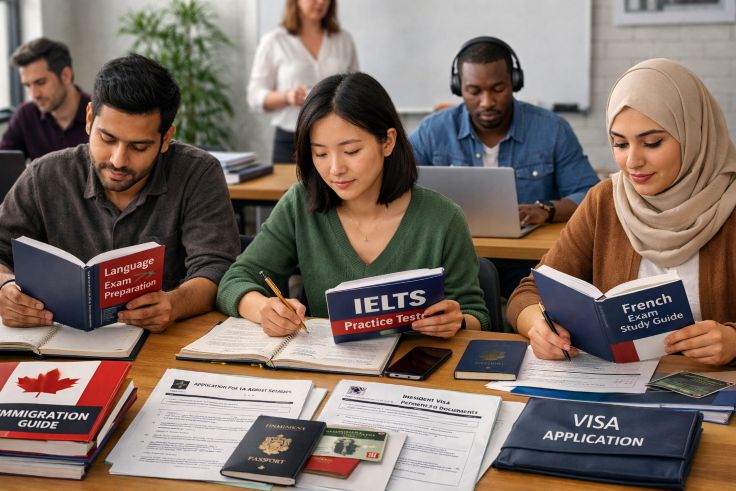
Language proficiency requirements have become a central feature of many immigration systems worldwide. Governments increasingly use language assessments to evaluate applicants seeking permanent residency, work permits, citizenship, and educational opportunities. As immigration policies evolve, demand for language preparation materials, study guides, and practice tests often rises among applicants who must meet specific language benchmarks to qualify for immigration pathways.
Recent policy developments across countries such as Canada, Australia, and several European nations have highlighted the growing connection between language proficiency and immigration eligibility. Research from Organisation for Economic Co-operation and Development (OECD) shows that language skills play an important role in labor market integration and social participation among immigrants. As governments adjust immigration targets and selection criteria, applicants increasingly seek reliable assessment resources to prepare for required examinations.
The following eight factors illustrate how immigration policy changes influence demand for language assessment resources and shape preparation behaviors among prospective immigrants.
1. Higher Language Score Requirements Increase Preparation Efforts
One of the most direct effects of immigration policy changes is the introduction of higher language score requirements. Governments may raise minimum proficiency thresholds to align immigration objectives with labor market needs.
Data from Immigration, Refugees and Citizenship Canada (IRCC) indicates that language ability remains a significant factor in economic immigration programs. When score requirements increase, applicants often spend additional time preparing for exams and searching for structured study materials.
Many candidates respond by enrolling in language courses, using mock examinations, and practicing under timed conditions. Demand for exam preparation resources typically rises as applicants seek greater confidence before taking official assessments.
2. New Immigration Streams Create Additional Testing Demand
Governments frequently introduce new immigration categories targeting specific skills, occupations, or demographic groups. These programs often include language proficiency requirements as part of eligibility criteria.
Experts from International Organization for Migration (IOM) note that language assessments are commonly used to evaluate an applicant’s ability to integrate into a destination country’s workforce and society. When new immigration streams emerge, prospective applicants often begin preparing for language examinations even before submitting formal applications.
This creates increased demand for study guides, preparation platforms, and assessment simulations tailored to the specific exams accepted by immigration authorities.
3. Policy Uncertainty Encourages Earlier Exam Preparation
Immigration policies can change with new legislation, economic priorities, or shifts in government strategy. Such uncertainty often motivates applicants to complete language testing sooner rather than later.
Research published by Migration Policy Institute suggests that applicants frequently adjust their preparation timelines when they anticipate policy changes that could affect eligibility requirements. Individuals who might have delayed testing often begin studying earlier to secure qualifying scores before new regulations take effect.
As a result, demand for preparation resources can increase rapidly during periods of policy transition.
4. Competitive Immigration Systems Reward Stronger Scores
Many modern immigration programs use points-based selection systems. Language proficiency often contributes a significant portion of the total points available.
Information from Government of Canada immigration programs shows that higher language scores can improve an applicant’s ranking and increase the likelihood of receiving an invitation to apply. This creates an incentive for candidates to pursue scores beyond the minimum requirement.
Applicants frequently invest in advanced study materials, sample exams, and targeted preparation tools designed to help maximize performance and improve competitiveness.
5. Regional Immigration Programs Expand Language Assessment Participation
Regional immigration initiatives often seek workers willing to settle in specific provinces, states, or communities. Many of these programs incorporate language requirements tailored to local economic needs.
Data from various provincial immigration programs demonstrates that language proficiency remains an important factor in regional selection processes. As regional opportunities expand, more applicants become interested in language assessments they may not have previously considered.
This broader participation contributes to growing demand for educational resources that explain exam formats, scoring systems, and preparation strategies.
6. Citizenship Policy Changes Increase Interest in Language Testing
Immigration policy discussions often extend beyond permanent residency to citizenship requirements. Some countries require applicants for citizenship to demonstrate language proficiency through approved examinations.
Studies from European Commission migration and integration initiatives indicate that language competence is frequently viewed as a tool for civic participation and community engagement. When citizenship policies emphasize language requirements, long-term residents may seek preparation materials years after their initial immigration process.
This expands the audience for language learning resources beyond first-time immigration applicants.
7. Labor Market Priorities Strengthen the Role of Language Assessments
Many immigration systems are designed to address workforce shortages in sectors such as healthcare, technology, engineering, and skilled trades. Effective communication skills are often considered essential for professional success.
OECD research shows that stronger language proficiency is associated with improved employment outcomes and economic integration among immigrants. Policymakers frequently consider these findings when developing immigration frameworks. Similar discussions surrounding language training programs that support communication outcomes demonstrate how language skills can influence access to services, workplace effectiveness, and broader community participation.
As language proficiency becomes increasingly connected to employment objectives, applicants often seek more comprehensive preparation resources that support both exam success and workplace communication.
As language proficiency becomes increasingly connected to employment objectives, applicants often seek more comprehensive preparation resources that support both exam success and workplace communication.
8. Digital Immigration Processes Increase Access to Preparation Resources
The expansion of digital immigration services has transformed how applicants prepare for language assessments. Online applications, virtual learning platforms, and digital study tools have become common parts of the immigration journey.
Reports from United Nations Department of Economic and Social Affairs (UN DESA) highlight the growing use of digital technologies in migration management. Applicants can now access preparation materials, sample questions, and online learning resources from virtually anywhere.
This accessibility has contributed to greater participation in language preparation activities and increased demand for high-quality educational content.
The Growing Importance of Language Assessment Preparation
Language assessments serve multiple purposes within immigration systems. They help governments evaluate communication skills, support integration objectives, and establish standardized benchmarks for applicants from diverse educational and cultural backgrounds.
Preparation resources have become increasingly valuable because language examinations often involve more than basic language knowledge. Candidates must understand exam structure, timing requirements, question formats, and scoring methodologies. Familiarity with these elements can reduce anxiety and improve performance.
Educational specialists frequently emphasize the value of realistic practice exercises, simulated examinations, and structured study plans. These resources help applicants identify strengths and weaknesses while building confidence before official testing.
Language Scores, Immigration Eligibility, and Public Policy
Language requirements reflect broader public policy objectives related to economic participation, social integration, and long-term settlement outcomes. Governments use assessment scores as one indicator of an applicant’s readiness to participate in society and the workforce.
World Bank migration research indicates that communication skills often influence employment opportunities, earnings potential, and community engagement among migrants. For policymakers, language assessments provide a measurable method for evaluating these competencies during the immigration process.
Applicants therefore view language preparation as an important investment in both immigration eligibility and future opportunities after arrival.
Conclusion
Immigration policy changes continue to shape demand for language assessment resources around the world. Higher score requirements, new immigration streams, evolving citizenship rules, regional programs, and workforce-focused policies all contribute to increased interest in language testing and exam preparation.
As governments place greater emphasis on communication skills, applicants are likely to continue seeking reliable study materials, mock examinations, and structured preparation tools. Future immigration trends may further strengthen the relationship between language proficiency, immigration eligibility, and successful integration outcomes. Understanding these developments can help applicants prepare effectively while navigating an increasingly complex immigration landscape.



 Recent agricultural reforms in Connecticut focus on reducing carbon footprints, minimizing waste, and promoting soil health. One significant policy mandates stricter composting standards, requiring suppliers to meet specific pH levels and nutrient compositions. This aims to ensure higher-quality products but also imposes additional costs on suppliers.
 Property owners have been faced with unstable foundations that caused frontages to split, created zig-zag cracks in floors and brickworks. caused falling ceilings, and ill-fitting doors and windows. Such foundational problems have actually made the houses unlivable, requiring restoration solutions mastered through the years by foundation repair specialists.






 Whether you have been pulling large trailers for years or you’re on the brink of commencing your first family vacation with a tiny low-travel trailer, towing is something you should not take lightly. In case you need a reliable towing service, contact heavy duty towing san jose.



 The Journal of Democracy is among the greatest academic places for assessing the present condition of democratic politics. Its latest issue includes an article from Ronald Deibert, also a political scientist, also director of the University of Toronto’s tech-focused Citizen Lab, about the function of social networking in contemporary politics. His judgment is grim.
 Seventy-four years following Japan’s defeat in World War II, the planet’s third-largest market is in the middle of a silent military buildup, in U.S. urging. The US President’s trip to Japan over Memorial Day weekend will culminate with him getting the very first U.S. president lately to set foot onto a Japanese warship.




 The entertainment industry in Gangnam is a very important part of the economy of Seoul. Other policy concerns are regulation, zoning, noise ordinance, and safety. These concerns have found their way in local deliberations in councils and how the control of nightlife is at the crossroads between the economical and civic order.
 The dissemination of information about the Gangnam Jjeom-O system highlights the significance of the media in creating a conception of the opinion. The same way that global politics is determined by the manner in which narratives are framed, the same applies to cultural systems where they flourish or deteriorate depending on how they are represented in the press and on-line debate. This reflects the state of affairs in the contemporary world of politics. It is is where the role that new media plays in politics has altered the communication between leaders and the perceptions of legitimacy among the citizens.
 As a result of their meteoric rise to popularity, Korean health spas, especially jjimjilbangs and saunas designed in the Korean manner, are quickly spreading across the globe. These wellness havens frequently take advantage of low municipal public health and licensing laws, often found nestled next to office sites or near shopping complexes. A complicated patchwork of control, however, lurks behind the soothing steam and peaceful atmosphere, raising serious concerns about public safety and regulation.
 In recent months, global headlines have been filled with rising gas prices, trade disputes, and new environmental policies. While most of these sound like big-picture issues, they can also hit closer to home—especially for car owners. Whether it’s higher costs for fuel or changes in car taxes and regulations, shifts in politics often lead people to rethink storage tips and how they use their vehicles. In this blog, we look at how current events are affecting car ownership and why smart storage can help protect your investment.
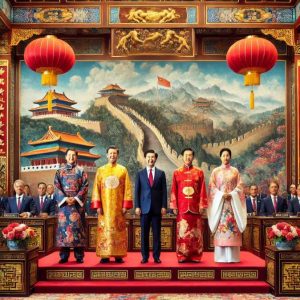 Chinese traditional clothing has transcended cultural boundaries. This iconic attire is not just a garment but a statement of identity and diplomacy. Leaders and dignitaries often wear variations of Chinese dresses during formal state events, highlighting cultural connections between nations. The intricate designs and craftsmanship reflect China’s historical depth, making it a favoured choice for bridging cultural divides.

 Nangs, or cream chargers, are often seen in the kitchen, but they’ve also gained a reputation beyond the culinary world. This dual perception—where they are both a tool for creative cooking and a potential misuse item—makes it crucial for media outlets and influencers to play a key role in promoting safe and responsible use. By focusing on positive practices and educating the public,


 When it comes to glass repair, it’s important to choose the right company for the job. Whether it’s a broken window, a cracked windshield, or a shattered glass door, finding a reputable and skilled glass repair company is crucial. However, with so many options out there, it can be overwhelming to make a decision. Here are some factors to consider when choosing a glass repair company.